
Labor Pressures Drive Automation
Manufacturers are accelerating adoption of robotics and automation technology, driven by a combination of persistent labor shortages in manufacturing roles, rising labor costs, and improving capabilities of robotic systems that can now handle more complex and varied tasks than earlier generations of industrial automation.
Advances in machine vision and artificial intelligence have allowed robotic systems to take on tasks requiring more flexibility and judgment than traditional industrial robots, which were historically limited to highly repetitive tasks in controlled environments with minimal variation.
RelatedQuant's Bank-Payment Role Connects Tokens to Existing RailsFalling Costs Open the Door for Smaller Firms
Small and mid-sized manufacturers, which historically lagged behind large corporations in automation adoption due to cost barriers, have benefited from falling equipment costs and the emergence of more flexible, easier-to-program robotic systems designed specifically for smaller-scale operations.
Labor unions and worker advocacy groups have expressed mixed views on the accelerating automation trend, with some emphasizing the need for retraining programs to help displaced workers transition to new roles, while others note that automation has often been deployed to address positions manufacturers struggled to fill with human workers in the first place.
Automation Powers Reshoring Efforts
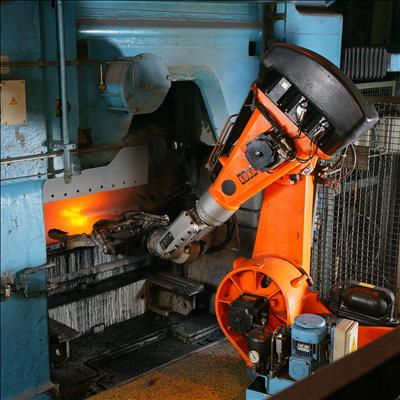
Reshoring efforts, in which companies move manufacturing operations back to domestic facilities after years of overseas production, have relied heavily on automation to offset the higher labor costs typically associated with domestic manufacturing compared to lower-wage regions.

Industry analysts expect automation adoption to continue accelerating, particularly as robotic system costs continue falling and capabilities continue improving, though they note that full automation remains impractical for many manufacturing processes that still benefit from human dexterity, judgment, and adaptability.


